Residential
Service Areas
Get in Touch
Resources
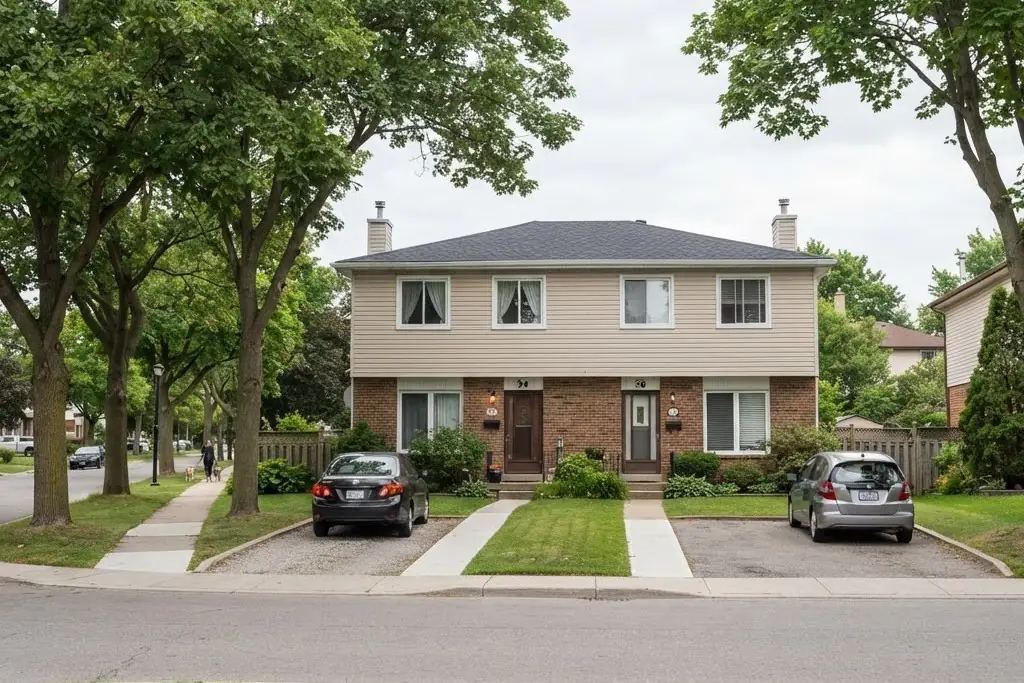
Multiplex and duplex
Several tenancies under one roof, whether a converted house or a purpose-built infill block, with shared heating, a common entrance and one set of utilities to apportion. More systems interacting means more work orders per month.
What makes it different
One boiler serving four units fails for four tenants at once. Shared heating, a common entrance, shared laundry and a single water service all turn one fault into several complaints on the same afternoon.
That interaction is what drives the workload, and it is why maintenance coordination matters more here than on any single-tenancy property. Preventive scheduling is not optional on shared plant.
Against that, the per-door rate falls as doors increase. Four units under one agreement are priced well below four separate houses, and portfolio owners see that reflected on the fee schedule.
Taking on a multiplex
What is shared and what is per unit: heating, water, laundry, entrance and parking.
How shared services are split, written into each lease rather than settled later.
A condition report per door plus one for the common areas and the shared plant.
Shared heating and water on a preventive calendar, because one failure affects everyone.
Where the economics work
Four doors in one building need one site visit, not four. Inspections, contractor attendance and anything touching shared plant all happen once, and the per-door rate falls accordingly.
Vacancy risk also spreads. One empty unit in a fourplex costs a quarter of the rent, not all of it, which is a materially different exposure to a single house standing empty between tenancies.
The offset is turnover volume: four tenancies produce four times the placement events and four times the make-readies. Longer tenancies matter more here than anywhere, which is where screening earns its keep.
Other property types
From one door to a whole building.
Multiplexes, answered
The questions that come with shared systems.
Triplex with three different leases and three different renewal dates. They keep it straight and I get one statement.
They caught that the basement unit's rent was below market and raised it at renewal with the comparables shown. Tenant stayed.
Shared utilities were split by the method in the leases and shown on each tenant's ledger. No arguments between units.
A leak from the upper unit into the lower was handled with both tenants informed and the repair done in two days.
From the blog
Multi-unit owners
Shared systems mapped, utilities apportioned in writing, and a rate that reflects the doors rather than the address.
Per-door pricing · Plant on a schedule · Typical ranges, not quotes